Medical Device Penetration Testing
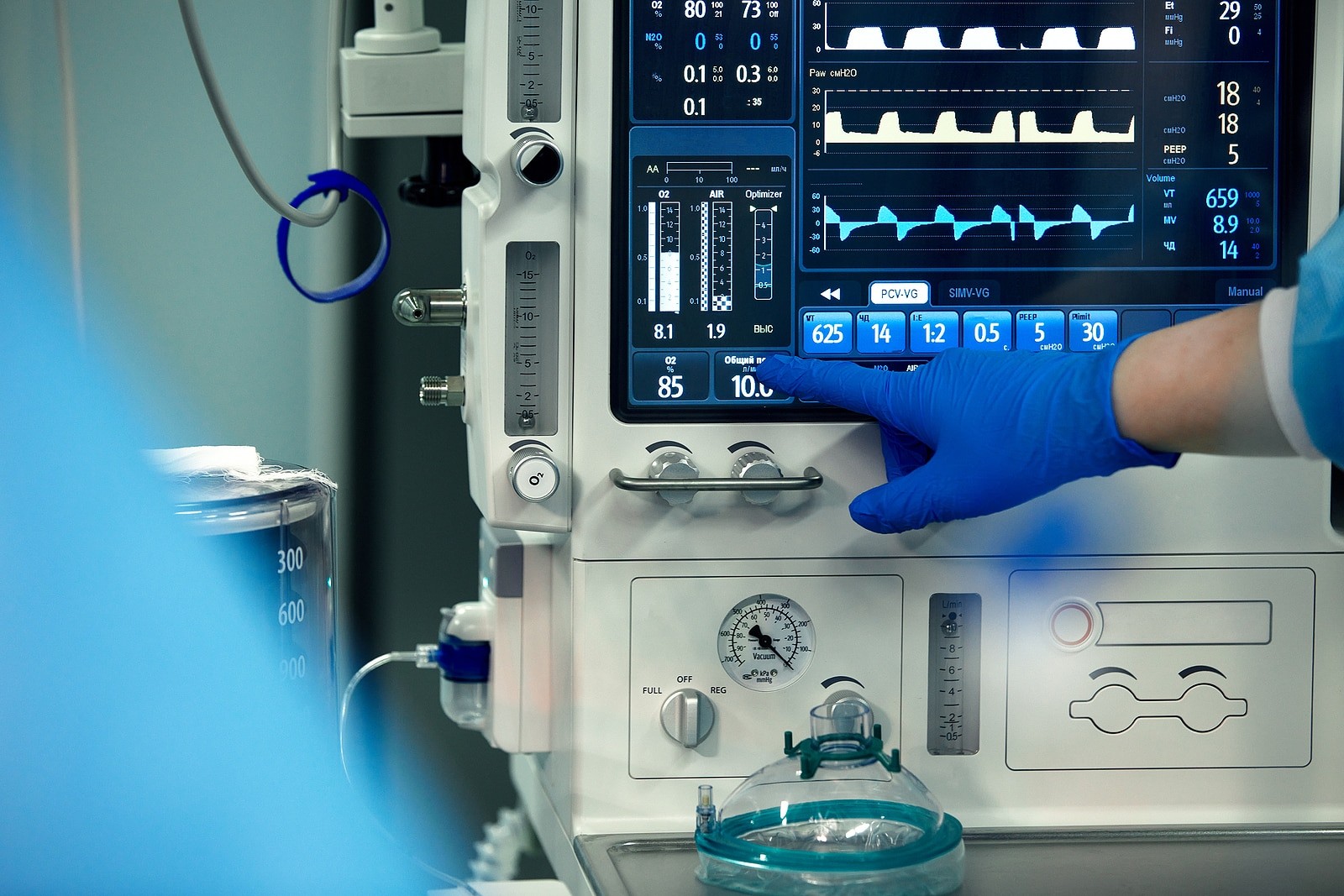
Why Medical Device Penetration Testing is Critical for Patient Safety
Medical device penetration testing is a specialized security assessment that evaluates the hardware, software, and network communications of connected healthcare equipment. Its primary goal is to uncover vulnerabilities that could compromise patient safety, expose protected health information (PHI), or allow lateral movement into hospital networks.
For CISOs and IT Directors in the healthcare space, securing medical devices is no longer just an IT problem. It is a patient safety mandate. The convergence of operational technology (OT) and clinical environments means that a vulnerable infusion pump or MRI machine can cripple an entire hospital.
How Do Hackers Exploit Medical Devices in the Real World?
Medical devices often run on legacy operating systems, rely on unencrypted protocols like DICOM or HL7, and cannot be patched easily without breaking FDA compliance or voiding warranties.
Consider a real-world hospital attack scenario involving a smart infusion pump.
An attacker gains initial access to a hospital’s guest Wi-Fi network. They run a scan and discover an infusion pump connected to the clinical VLAN. The pump has hardcoded default credentials that the manufacturer never required the hospital to change. The attacker logs into the pump. While altering the medication dosage is a terrifying possibility, attackers often take a different route. They use the pump as a pivot point to bypass the primary firewall, access the internal hospital network, and deploy ransomware to the electronic health record (EHR) system.
This lateral movement is exactly why standard vulnerability scans fall short in clinical environments.
“Cybersecurity threats to medical devices are a growing concern. The FDA expects manufacturers to implement robust cybersecurity controls and provide documentation of threat modeling and vulnerability testing, including penetration testing, as part of premarket submissions.”
— U.S. Food and Drug Administration (FDA) Premarket Cybersecurity Guidance
What is the Difference Between IT and Medical Device Penetration Testing?
Testing a web application is fundamentally different from testing a piece of life-saving hardware.
In standard IT penetration testing, the primary risks are data loss, financial impact, and downtime. These assessments typically occur in production or staging environments and focus on web applications, cloud infrastructure, and APIs. Compliance frameworks such as SOC 2, PCI-DSS, and ISO 27001 often drive these engagements.
Medical device penetration testing, however, introduces significantly higher stakes. The primary risks include patient injury, loss of life, and severe network compromise. Testing must be conducted in controlled lab environments or on offline devices to prevent disruption to clinical operations. Security teams must analyze embedded systems, Bluetooth and BLE communications, proprietary radio frequencies, and real-time operating systems (RTOS). Regulatory drivers include FDA premarket submission requirements, HIPAA obligations, and the European MDR framework.
What Are the FDA Requirements for Connected Devices?
The FDA now has the authority to issue a “Refuse to Accept” (RTA) decision for new medical device submissions that lack adequate cybersecurity documentation. Manufacturers must demonstrate that they have actively tested their devices against modern threat scenarios.
This requires rigorous penetration testing to identify zero-day vulnerabilities across device hardware, associated mobile applications, and the cloud APIs that enable remote monitoring and control. Automated scanning alone does not provide the level of assurance FDA reviewers expect.
How Red Sentry Secures Healthcare Environments
Securing clinical environments requires a careful and highly specialized approach. Red Sentry delivers medical device penetration testing designed to identify critical vulnerabilities without disrupting active patient care.
A human-led testing methodology maps real attacker pathways across clinical hardware, network segmentation controls, and electronic health systems. Through the company’s PTaaS platform, healthcare IT teams receive real-time remediation guidance and detailed reporting, enabling faster vulnerability resolution while maintaining strict HIPAA and FDA compliance requirements.